

3D Design and Additive Manufacturing Health Solutions

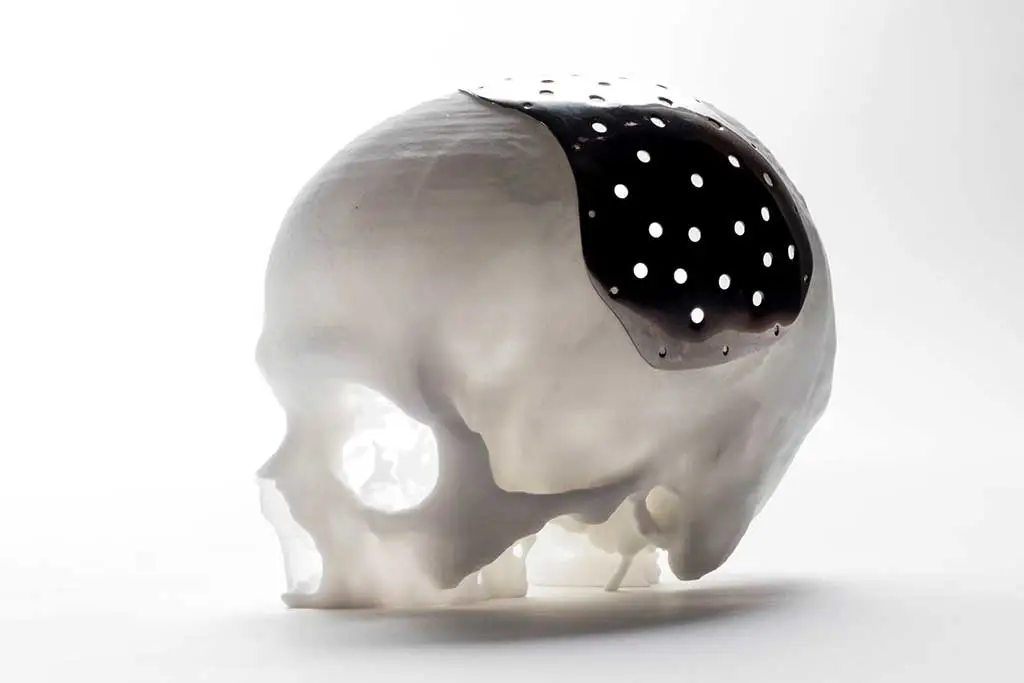
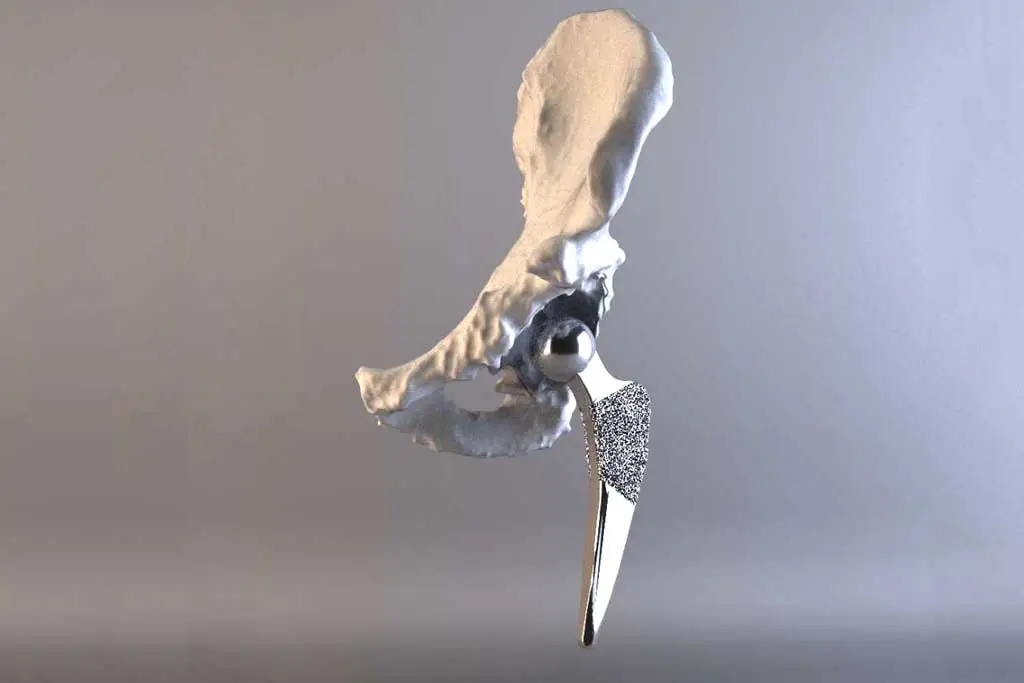
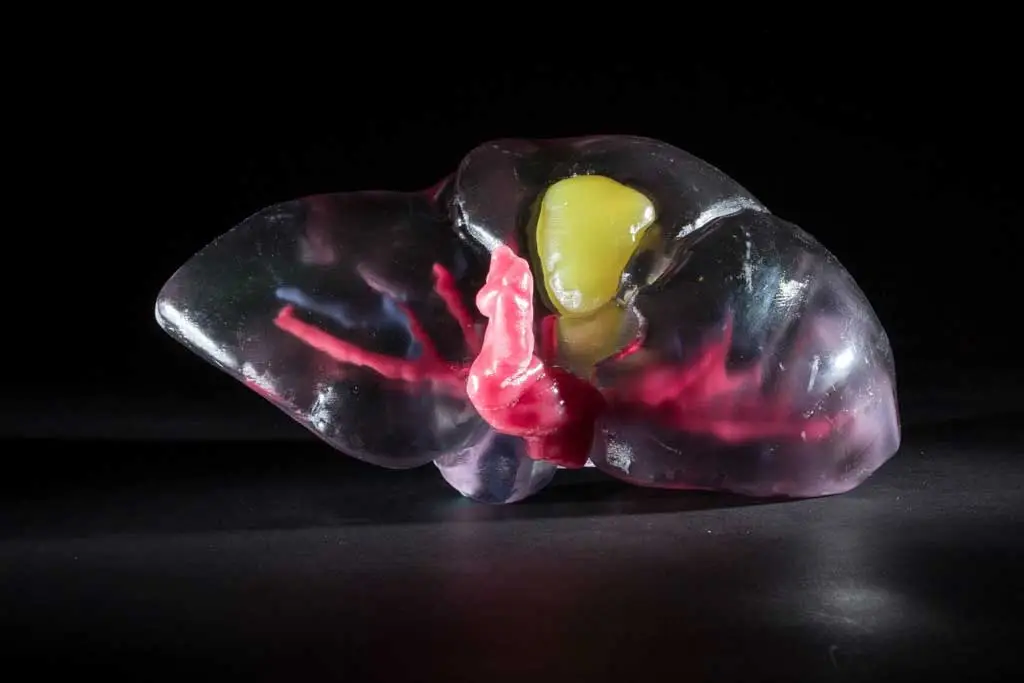
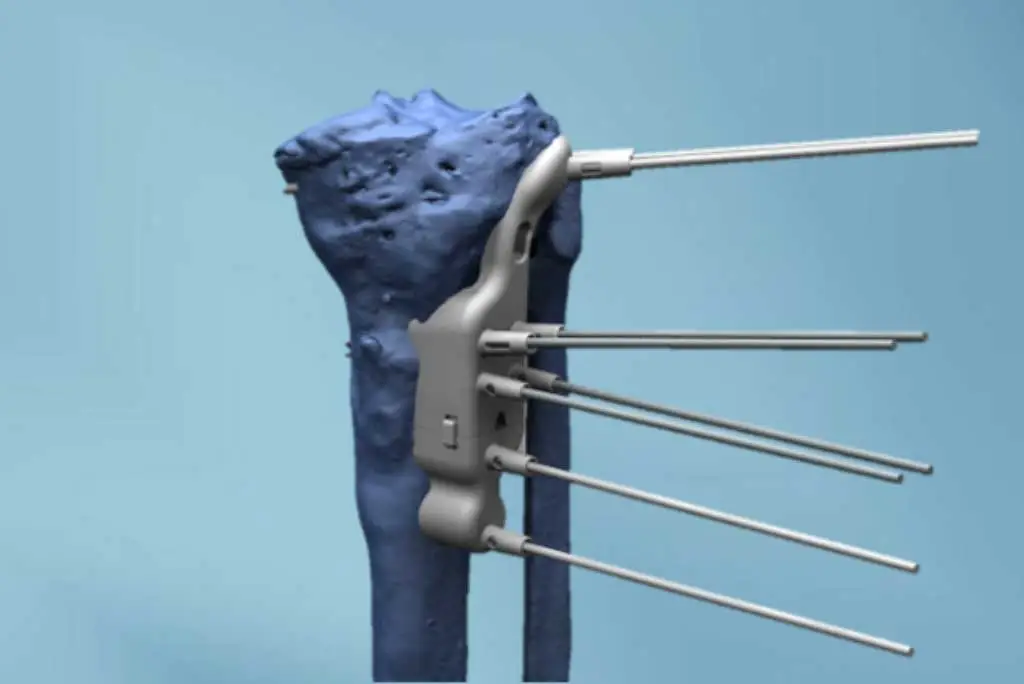
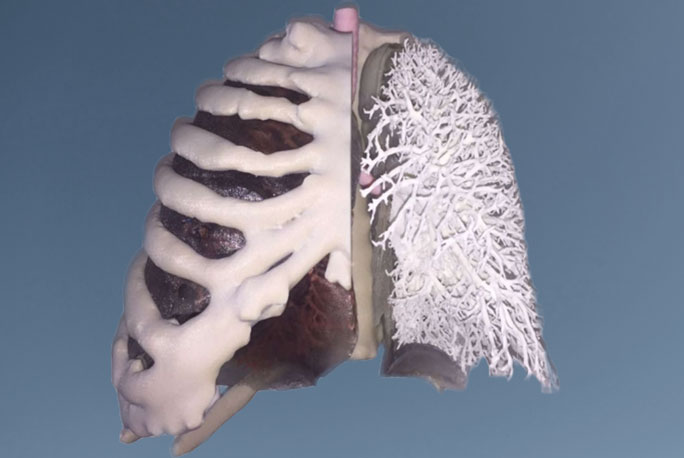
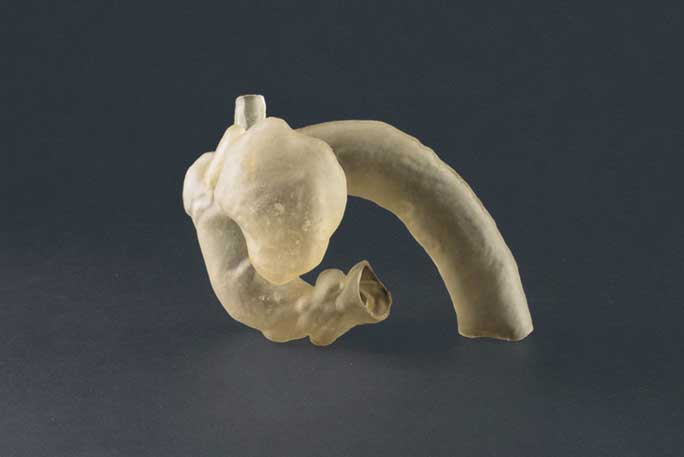
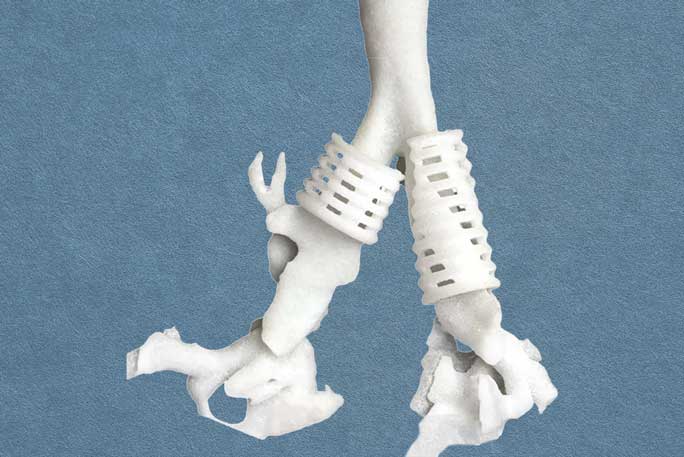
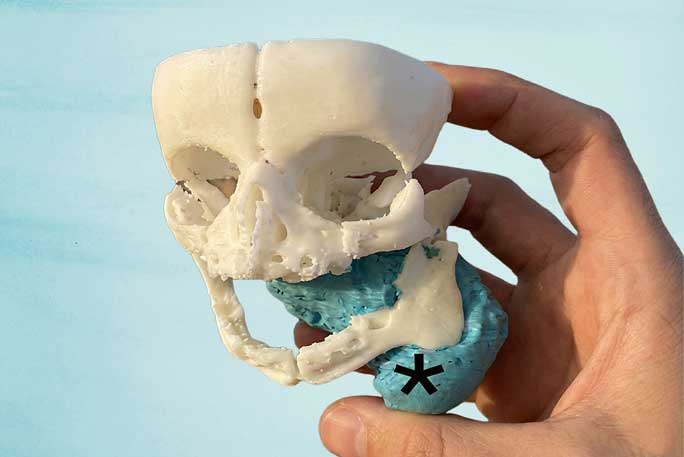
3D Design and Additive Manufacturing (also known as 3D printing) in the medical and healthcare field refers to the use of digital 3D models and layer-by-layer fabrication technologies to create tools, devices, implants, anatomical models, and even biological tissues that support diagnosis, treatment, and patient-specific care.
In cooperation with Mizar Health S.L., we offer tailor-made solutions that combine biomedical design expertise and clinical experience with the full range of additive manufacturing technologies.

Collaboration: Work methodology

Our protocol guarantees from the beginning: the design process together with the doctor, the processing of the information and the assurance of the final result.

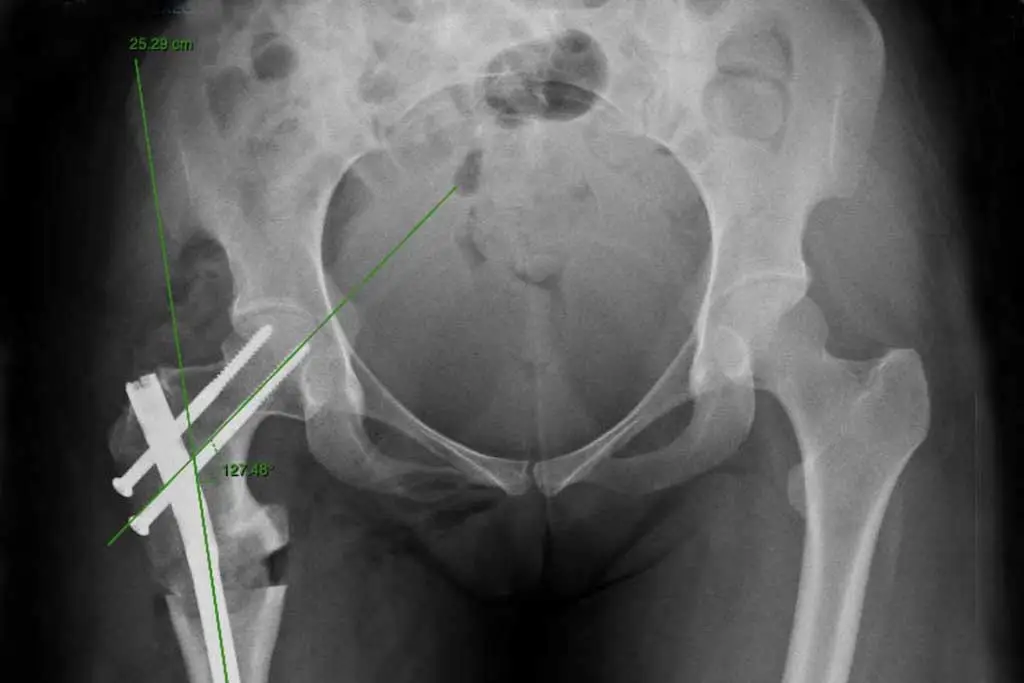
  1. Patient Imaging & Data Acquisition
    The process begins with capturing detailed images of the patient's anatomy using:
    • CCT scan (most common)
    • MRI (Magnetic Resonance Imaging)
    • 3D Scanning (less common)
  2. Image Processing & Segmentation
    Specialized software converts CT/MRI data into a 3D model
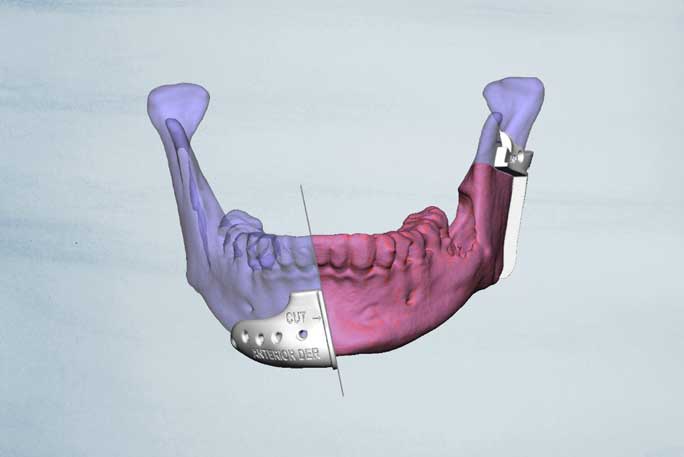
  3. Implant Design (CAD Modeling)
    A biomedical engineer designs the implant digitally in order to:
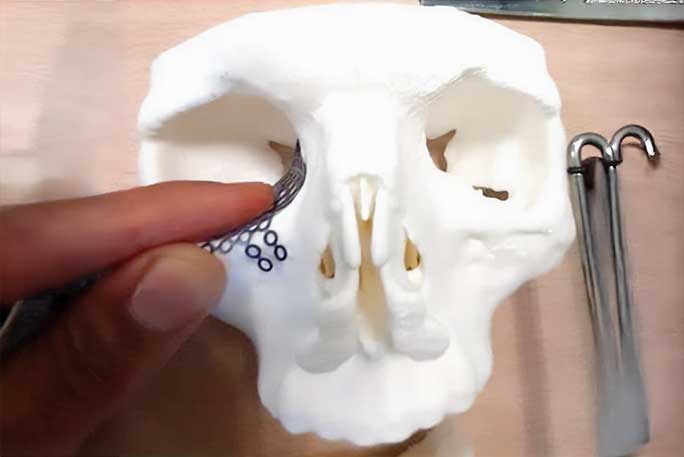
    • Fit the implant to the patient-specific anatomy
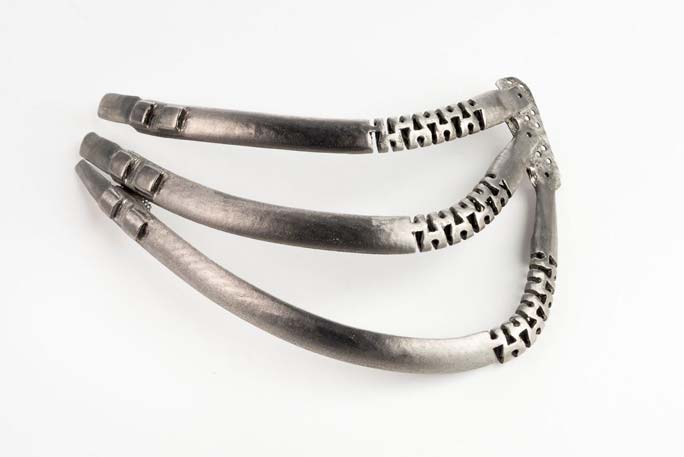
    • Add functional features (screw holes, porous structures, fixation points)
    • Apply lattice structures to encourage bone growth
    • Simulate mechanical load or stress using FEA (finite element analysis)
  4. Validation & Simulation
    Before printing, the design undergoes:
    • Biomechanical simulation (strength, flexibility)
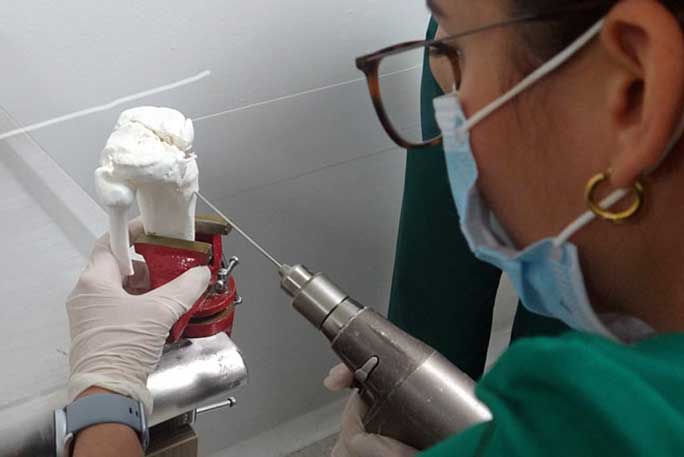
    • Surgical simulation (surgeon checks the fit and function)
    • Design review meetings with surgeons and engineers
  5. Additive Manufacturing (3D Printing)
    Implants are printed using suitable 3D printing technologies such as:
    • Metal Powder Bed Fusion (for titanium implants)
    • Electron Beam Melting (EBM)
    • Selective Laser Sintering (SLS)
  6. Quality Control & Testing
    Implants must pass strict medical standards.
  7. Sterilization
    Before being sent to the hospital, implants are customized sterilized according to IFUs.
  8. Surgical Planning & Delivery
    Shipment of customized medical device, documentation and Mizar Health attached planning. The surgical team reviews the implant design and performs pre-surgery rehearsal for accuracy.
  9. Evolution and Follow-up of the Patient
    Ensures long-term health and increases treatment effectiveness.

Technology We Use

Advanced Additive Manufacturing Methods for Medical Solutions

Selective Laser Sintering

Laser sintering is an additive manufacturing (AM) technology that uses a high-powered laser to sinter small polymer dust particles into a solid structure based on a 3D model.

Most additive manufacturing processes, such as stereolithography (SLA) and molten deposition modeling (FDM), require specialized support structures.
Laser-sintered parts do not, making it possible to produce even the most complex geometries that were previously impossible.

Main features
  • SLS is widely used for prototypes, functional testing, custom parts, and small-to-medium production runs of end-use components.
  • “As a powder-bed fusion process, SLS uses a laser to selectively sinter powder at high speed and with good accuracy, especially compared to extrusion-based methods like FDM.
  • SLS is valued for its good precision and exceptional design freedom, as it does not require support structures.
Material

PA 2200 is a white polyamide powder widely used thanks to its well-balanced properties. It offers high strength and rigidity with long-term consistency, low friction, and good abrasion resistance. Its mix of mechanical strength, flexibility, and heat resistance makes it suitable for functional prototypes and end-use parts.
The material is biocompatible per UNE EN ISO 10990-1 and approved for food contact under EU Plastics Directive 1011/72/EC.

ELECTRONIC BEAM MELTING

Electron beam fusion technology offers high resolution, good dimensional accuracy, optimized surface finish.

The Arcam EBM Q10 we are using, is the electron beam fusion machine designed specifically for the production of orthopaedic implants. The unique stacking capacity of the EBM process allows maximum utilization of the manufacturing chamber.
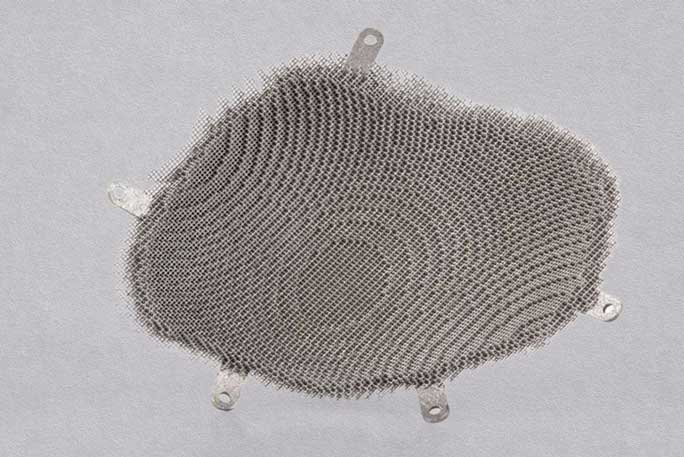
It enables the manufacture of advanced trabecular structures. It is used to make fully customized implants that are developed from CT scans of patients. The high temperature vacuum chamber ensures a clean and controlled working environment.

Main features
  • Vacuum & high-temp process ensures clean, biocompatible titanium parts.
  • Complex & porous geometries mimic bone structure for implants.
  • Patient-specific production directly from CT/MRI data.
  • Stacking & fast builds allow efficient, high-performance implant manufacturing.
Material

Ti6Al4V is a lightweight, high-strength titanium alloy with excellent corrosion resistance and biocompatibility. Ideal for EBM and SLM, it enables complex, patient-specific implants and high-performance components directly from CAD models.

PolyJet

PolyJet is a 3D printing method that deposits layers of liquid photopolymer onto a build surface, curing each layer immediately with UV light.

This technique produces highly detailed, high-resolution parts with smooth finishes. It stands out for its ability to print multiple materials and colors in a single build, allowing combinations of rigid, flexible, transparent, and opaque materials to create realistic and complex prototypes.

Main features
  • Extremely high resolution (down to 16 microns per layer) and smooth surface finish.
  • Ability to combine multiple materials and colors in one print.
  • Good for prototyping, functional testing, and concept models.
  • Produces complex geometries with fine details and intricate features.
Materials
  • VeroClear: A transparent, rigid photopolymer ideal for clear prototypes and parts requiring optical clarity.
  • Agilus: Transparent photopolymer for clear acrylic simulation. It offers impact resistance, stiffness, elongation and can be combined with other materials to obtain a wide range of opacity, tones and hardness levels.
  • Vero: Rigid and opaque photopolymer offer excellent viewing of the details in gray, black, white and blue.
  • FullCure : Acrylic-based photopolymers that allow you to create very precise and detailed models. Includes transparent, coloured, opaque, flexible and rigid properties.

Products Inquiry

Address

JSJ Medical Surgical Equipment Trading L.L.C.

#328-330, Emirates Atrium building, Business Bay, Dubai

Call Us

+971 554 984 519

Email Us

info@jsj-medical.com

Loading
Your message has been sent. Thank you!